Dr. Etienne said that many routine cases at the island’s health facilities are due to the complications of chronic non-communicable diseases.
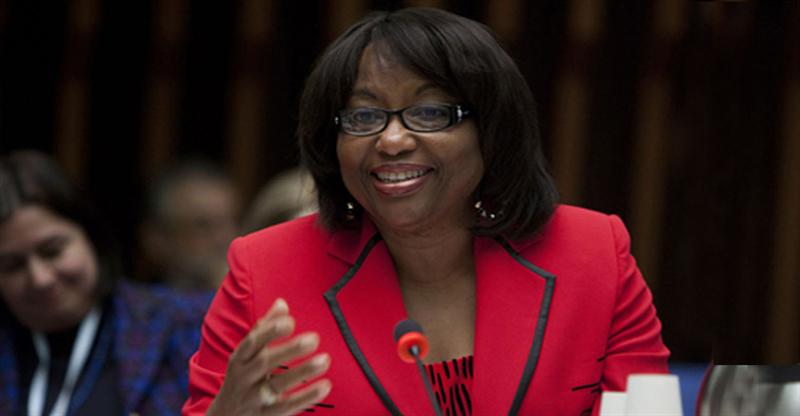 Pan American Health Organization (PAHO) Director, Dr. Carissa Etienne, has called on Saint Lucians to take control of their health in order to lessen the incidences of chronic non-communicable diseases.
The PAHO director’s comments came during a recent visit to Saint Lucia, which included a national tour of the island’s health facilities.
“I have realized that the complications of chronic diseases are threatening the lives of Saint Lucians,” Dr. Etienne said. “Even at Saint Jude Hospital, many of the cases that come in are related to chronic diseases and their complications.
“My plea is for everyone to get involved in the prevention and control of non-communicable diseases. It is simple: stop tobacco, reduce alcohol, reduce the intake of salt, sugar and fats by eating healthy, and do regular physical activity.”
Dr. Merlene Fredericks, Chief Medical Officer at the Ministry of Health said that the goals of Saint Lucia’s health ministry and PAHO are similar.
“Essentially we are working towards the good health of people in the Caribbean and by extension, the Americas,” she said. “The focus on primary health care is our main objective. We realize it is much more cost efficient to prevent disease and encourage healthy lifestyles, than to cure those diseases.”
This week, the Caribbean region observes Caribbean Wellness Week, an initiative borne out of a commitment by Caribbean Heads of Government to combat chronic non-communicable diseases. Wellness Week emphasizes the importance of enabling environments in making healthy choices, and aims to foster behavioral change via public sensitization and education activities.
Saint Lucia has observed Caribbean Wellness Week annually since 2008, with various activities around the island geared at educating the public about the risk factors, effects and prevention of non-communicable diseases. The main goal, health officials say, is to foster a change in behavior via public sensitization activities.