Members of the public are advised to ensure that roof gutters and downpipes used to collect rainwater are kept clean
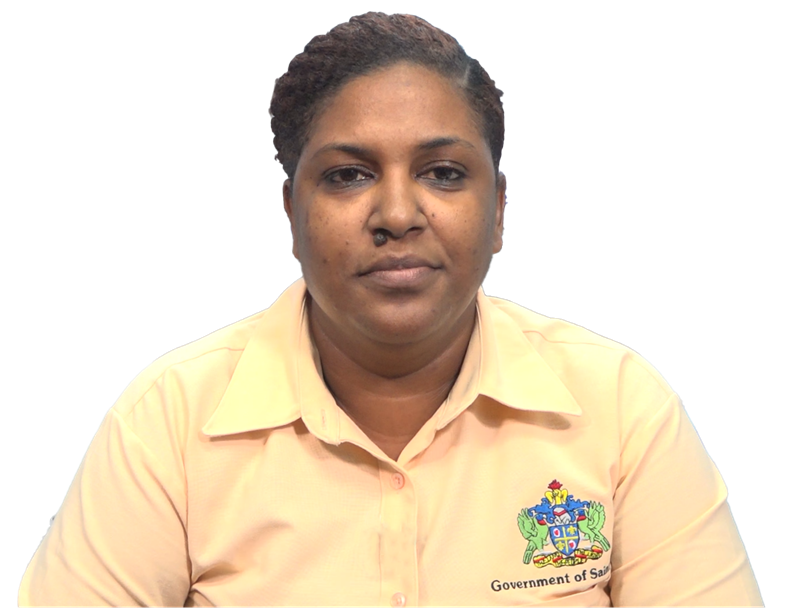 In light of the current dry conditions and the increasing risk of water supply shortages, the Environmental Health Division within the Ministry of Health, Wellness and Nutrition urges the public to conserve water and ensure that all water harvesting and storage practices are carried out safely to protect public health.
Rainwater harvesting is a supplementary water source during periods of reduced supply, however, unsafe collection and storage poses serious health risks if not properly managed. Members of the public are advised to ensure that roof gutters and downpipes used to collect rainwater are kept clean and free of debris, bird droppings and other contaminants. The public is encouraged to employ a first-flush system on roof gutters and downpipes to reduce bacteria and other contaminants from entering storage containers. To do this, you allow the initial rain water which would contain dust, leaves, and droppings to fill the roof gutter and flow down the pipes before filling storage containers.
Additionally, water storage containers including drums, buckets and tanks should be covered or fitted with tight-fitting lids or screens to prevent vector breeding; particularly mosquitoes and rats. Open or poorly maintained containers increase the risk of Dengue fever, Chikungunya, Zika, and other vector borne diseases. To prevent algae growth and bacterial contamination, it is necessary that water storage containers are cleaned on a regular basis and kept out of direct sunlight and away from chemicals.
The Environmental Health Division also advises the public to exercise caution when harvesting or collecting water from unofficial sources, including roadside springs, unapproved wells, and surface water sources. These sources are not routinely monitored or treated and may be contaminated by animal waste, agricultural runoff, or sewage. Water collected from such sources should not be used for drinking or food preparation unless it has been properly treated.
Harvested or collected water intended for drinking or food preparation must be treated prior to use. Boiling water for at least one minute or using approved disinfection methods, such as chlorination as directed, is essential to prevent waterborne diseases including gastroenteritis. Where treatment is not possible, water should be reserved strictly for non-potable uses such as cleaning, irrigation, or flushing of toilets.
The Ministry of Health, Wellness and Nutrition, through the Environmental Health Division, continues to play an integral role in safeguarding public health by ensuring the safety and quality of water intended for human consumption across the island. The Division also works closely with communities to promote safe water storage practices, including the proper covering of tanks and drums, the use of first flush systems when harvesting rainwater, routine cleaning and sanitizing of storage containers, and the prevention of mosquito breeding in standing water.
Members of the public are encouraged to seek advice from their local Environmental Health Offices in Bois D’Orange, Vieux Fort or Soufriere on safe water harvesting, treatment, and storage practices.
Water conservation is essential, but safety must always remain our priority.
Watch: https://www.youtube.com/watch?v=CZDYi5kvlKU