IN SAINT LUCIA, AIDS-RELATED DEATHS HAVE STEADILY DECLINED, FROM 21 IN 2005, TO 5 THUS FAR, IN 2025.
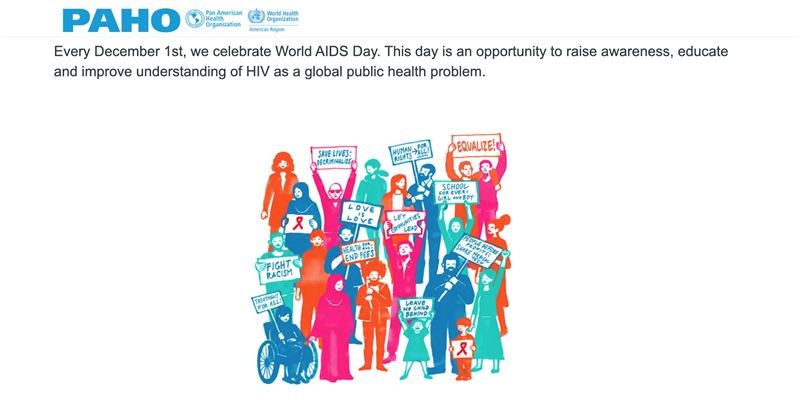 On December 1st , we commemorate the 37th observance of World AIDS Day and join the global community in reflecting on the theme “Overcoming Disruption, Transforming the AIDS Response.” This theme calls on us to acknowledge the challenges that persist while recommitting to bold, transformative action to end AIDS as a public health threat.
Globally, in 2024, an estimated 40.8 million people were living with HIV. There were 1.3 million new infections and 630,000 deaths due to AIDS-related illnesses. While AIDS-related deaths have declined by 54% since 2010, the reality remains sobering: in 2024, someone died every minute from HIV-related causes, including 75,000 children. Yet, hope remains strong as 31.6 million people worldwide accessed life-saving antiretroviral therapy.
Here in Saint Lucia, we continue to strengthen our national response. In 2024, 35 new HIV infections were recorded, and to date in 2025, 17 new cases have been documented—figures that will continue to evolve as surveillance improves. AIDS-related deaths have steadily declined, from 21 deaths in 2005, to 16 in 2023, 11 in 2024, and 5 thus far in 2025. At present, we have 1,022 documented persons living with HIV, with 290 individuals—125 females and 165 males—actively collecting antiretroviral therapy. In 2024, 40 people commenced treatment, reinforcing our commitment to early intervention and continuity of care.
Despite disruptions, Saint Lucia has made significant strides. The Castries Sexual and Reproductive Health Clinic has been successfully relocated to the Dr. Betty Wells Urban Polyclinic, and viral load testing resumed in November 2025, strengthening our ability to monitor treatment effectiveness. Work is also ongoing to restore access to CD4 testing, which remains an essential component of comprehensive HIV care. We continue to scale up training for rapid HIV and syphilis testers, enhance capacity in STI management, expand access to preventive tools including Pre Exposure Prophylaxis, PrEP, a once daily pill that can reduce the risk of getting HIV; and train Master Trainers to support national testing efforts. Maintaining reliable antiretroviral therapy stocks also remains a priority, with systems in place for rapid replenishment when needed.
To transform our national HIV response, strengthened data sharing and reporting are critical. Accurate, timely HIV data ensures better planning, improved resource allocation, and more effective interventions.
Simultaneously, we must confront emerging realities with honesty and urgency. Saint Lucia is now seeing new HIV diagnoses among adolescents under the age of 18. This demands collective acknowledgment: our young people are engaging in sexual activity. We must ensure that adolescents have access to accurate information, comprehensive sexuality education, prevention services, and prevention methods—without stigma, shame, or judgment. Protecting their health requires that we create an environment where they feel safe, supported, and empowered to make informed choices.
The fight against HIV must remain visible, supported by sustained political leadership, strong regional and international partnerships, and robust inter-agency collaboration. Civil society organizations must continue to have a strong voice in shaping the response. Most importantly, access to information, prevention, screening, diagnosis, and treatment must remain equitable, so that no one is left behind. HIV does not have a face—it can affect anyone—and in 2025, no one should be dying from AIDS.
As we observe World AIDS Day, let us reaffirm our collective commitment to eliminating stigma, expanding access to services, and transforming the HIV response for a healthier future for all.