THE WORKSHOP BROUGHT TOGETHER LOCAL, REGIONAL AND INTERNATIONAL MULTI-SECTORAL STAKEHOLDERS TO DISCUSS AND DEVELOP SOLUTIONS FOR IMPLEMENTING A HEALTHIER SCHOOL ENVIRONMENT IN SAINT LUCIA.
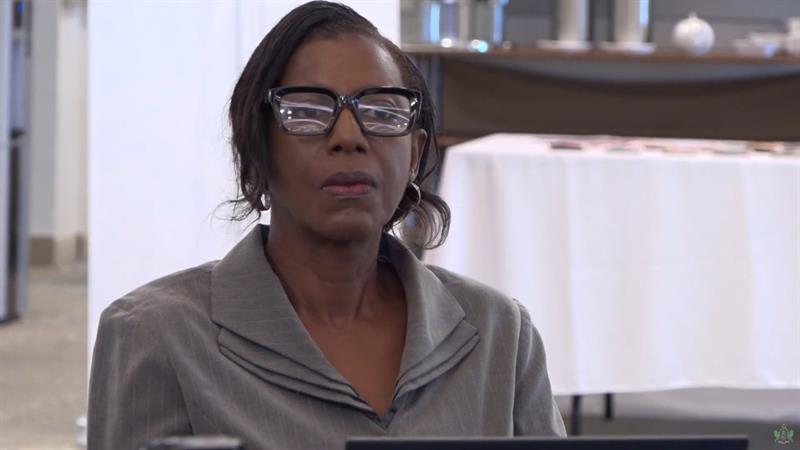 The Ministry of Health, Wellness and Elderly Affairs in collaboration with EU-Caribbean Nutrition (EU-CaN) and the Pan American Health Organisation (PAHO) recently hosted a two- day nutrition workshop at the Harbor Club Hotel in Rodney Bay. This workshop was held under the theme, “Creating sustainable, healthy school food environments.”
The workshop brought together local, regional and international multi-sectoral stakeholders to discuss and develop solutions for implementing a healthier school environment in Saint Lucia. In addition, stakeholders got an opportunity to identify some of the challenges affecting the implementation of healthy school food policies. Some of the initiatives which have not reached full implementation and require collaboration and discussion includes the development of national guidelines for school meals, bans on sugar-sweetened beverages (SSBs), and the drafting of key policies related to school nutrition and feeding.
Permanent Secretary in the Ministry of Health, Jenny Daniel encouraged stakeholders to participate fully and to put the knowledge into action to advance policies that will transform schools into a healthier environment. “By fostering a nutritious school environment we are not only preventing the onset of non-communicable diseases but also laying the foundation for a healthier, more resilient and more productive society. The Ministry of Health, Wellness and Elderly Affairs is firmly committed to ensuring that the meal served within our schools, support both the immediate and long term being of our children. Proper nutrition is not a luxury; it is a fundamental pillar of health. Children who are nourished with balanced, wholesome meals grow stronger, think more clearly, perform better academically and are more likely to realize their full potential as adults.”
Team Leader for the Economic Resilience and Trade Partnership, EU Delegation to Barbados, Chiara Tardivo says it is her hope that stakeholders can work together and come up with concrete solutions which can turn challenges into success stories. “Today, I am pleased to reaffirm the European Union commitment to bolster food security in the Caribbean. This initiative, ‘EU- CaN Nourishing Futures’ is a testament of shared values and understanding of food security and innovation are fundamental for sustainable development and the well-being of future generations. So I am happy that in collaboration with you, our local and regional partners, our joint efforts are indeed building on existing and ongoing initiatives such as the national guidelines and regulations of sugar sweetened beverages.”
Curriculum Specialist for Health and Family Life Education in the Ministry of Education, Sustainable Development, Innovation, Science, Technology and Vocational Training Valerie Fletcher applauded this platform and also reiterated the Ministry of Education’s commitment to ensure children have equitable access to safe, nutritious and locally produced meals. “The Ministry of Education embraced the concept that healthy bodies nurtures bright minds. This is why our collaboration with the Ministry of Health and other stakeholders in improving school meals, promoting healthier choices and discouraging the consumption of sugar sweetened beverages is so vital. We recognize the urgency of addressing childhood obesity, diabetes, hypertension and other non-communicable diseases that are increasingly prevalent in our region. Schools must become not just centres for academic instruction but also environments that model and reinforce healthy lifestyles.”
PAHO Country Program Specialist Fiona Anthony pledged the commitment of her organization to continue providing support which will further advance healthy school food policies to protect the health and well-being of children in Saint Lucia. “The Pan American Health Organisation (PAHO) proposes a holistic vision of school food and nutrition based on food security, nutrition and health. The goal is to build capacities and improve countries ability to adopt public health policies that guarantee healthy environments; meaning the environment that enables healthy habits and promote physical activity in schools in regions of the Americas. The approach focuses on creating conditions where the healthiest choices are the easiest choices for everyone.”
The two-day workshop engaged key stakeholders and implementers such as the Ministry of Education, Ministry of Agriculture, Food and Agriculture Organisation of the United Nations (FAO), UNICEF, school principals, public health professionals and nutrition officers, to name a few.